HIIT vs. Sprint Training: What’s the Real Difference for Cortisol and Fat Loss? Let’s clear…
Blog
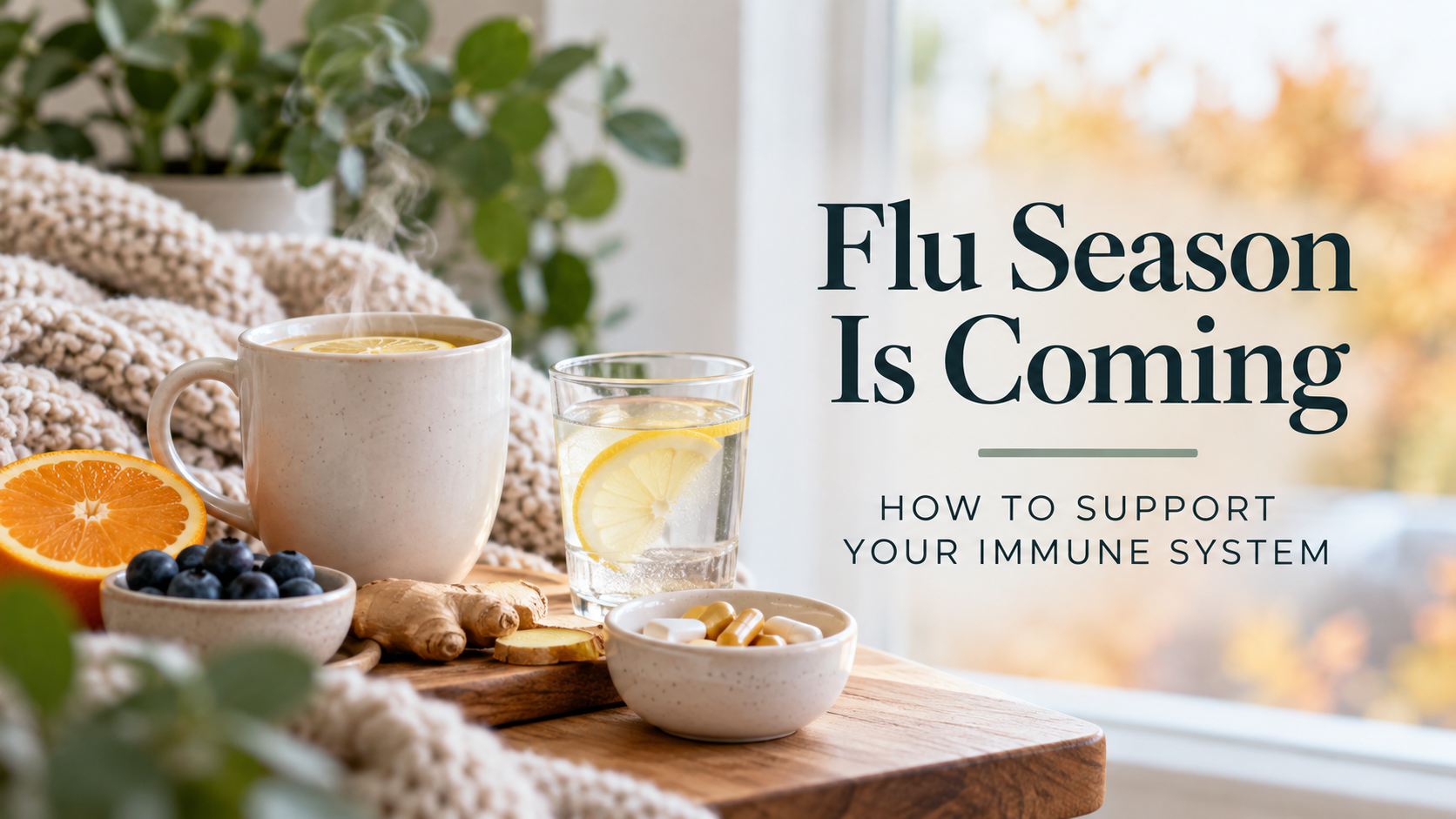
Flu Season Is Coming: How to Support Your Immune System
As the weather cools down, something else tends to heat up: cold and flu season. Suddenly, it feels like everyone around you is coughing, sniffling, or saying, “I think it’s just allergies.”
While we can’t completely avoid exposure to viruses, there are things we can do to help our bodies stay resilient during the months when respiratory illnesses are circulating more frequently. The goal isn’t to create an “invincible” immune system. It’s to give your immune system the nutrients, rest, and support it needs to do its job well.
Your Immune System Needs More Than Vitamin C
We often think about immunity only after we start feeling sick. But your immune system is working quietly in the background every single day. And it doesn’t rely on one vitamin, supplement, or wellness treatment.
Immune function is influenced by nutrition and micronutrient status, sleep quality, stress, hydration, physical activity, age, underlying health conditions, and exposure to viruses and other pathogens.
That means supporting immunity is less about finding one “magic” ingredient and more about creating an environment where your body has what it needs to function normally.
Start With the Basics
They may not be flashy, but the fundamentals matter.
Prioritize sleep. Consistently getting inadequate sleep can affect normal immune function. Aim for a regular sleep schedule and give your body adequate time to recover each night.
Eat nutrient-dense foods. Protein, fruits, vegetables, healthy fats, and minimally processed foods provide many of the vitamins, minerals, antioxidants, and amino acids involved in normal immune function.
Stay hydrated. Cooler weather can make it surprisingly easy to forget about hydration. Water supports nearly every system in the body, and your needs don’t disappear just because you’re sweating less.
Keep moving. Regular physical activity supports overall health and immune function. You don’t need an intense workout every day. Walking, strength training, yoga, or anything that keeps you consistently moving counts.
Manage stress where you can. We can’t eliminate stress—and trying to eliminate it might become its own source of stress. But finding ways to regularly decompress can support both physical and mental well-being.
What About Vitamins and Supplements?
Several nutrients play important roles in normal immune function, including vitamin D, vitamin C, zinc, B vitamins, selenium, and others. But more isn’t automatically better.
For example, vitamin D deficiency may be worth identifying and correcting, but taking increasingly large doses without knowing your level isn’t necessarily beneficial. Zinc is essential for immune function, but excessive long-term supplementation can create other nutritional problems.
Rather than blindly adding supplements because flu season has arrived, consider whether you actually have nutritional gaps—and address those appropriately.
Can IV Vitamin Therapy Support Wellness During Flu Season?
IV hydration and vitamin infusions have become popular during the fall and winter months, particularly for people who struggle with hydration, have specific nutritional needs, or simply want additional wellness support.
IV therapy allows fluids and nutrients to be delivered intravenously, bypassing the digestive tract. Depending on the formulation and your individual needs, an infusion may contain hydration, vitamins, minerals, or other nutrients.
An IV infusion cannot guarantee that you won’t catch the flu, prevent every infection, or replace vaccination, good nutrition, sleep, hand hygiene, or appropriate medical care. At RVA Revive, we believe wellness therapies should complement the fundamentals—not replace them.
Don’t Forget About Flu Prevention
Supporting your overall health is one piece of the puzzle. Reducing your exposure and risk matters, too.
Annual influenza vaccination is recommended for most people ages 6 months and older, with some exceptions based on individual circumstances. Handwashing, avoiding close contact when you’re sick, covering coughs and sneezes, and staying home when you’re ill can also help reduce the spread of respiratory viruses.
If you develop flu-like symptoms—especially if you’re at higher risk for complications—don’t wait too long to contact your healthcare provider. Antiviral medications may be appropriate for some people and generally work best when started early.
Think “Support,” Not “Boost”
We hear the phrase “boost your immune system” everywhere this time of year. But your immune system isn’t a battery that simply needs to be charged to 100%. It’s an incredibly complex network that needs balance—not endless stimulation.
So this flu season, think less about chasing a miracle immune booster and more about supporting the system you already have. Sleep. Hydrate. Eat well. Move your body. Manage stress. Address nutritional deficiencies when they’re present. Take reasonable precautions against infection.
And when you want a little extra support, we’re here to help you determine what actually makes sense for your body.
Give Your Wellness Routine a Seasonal Refresh
At RVA Revive, we offer individualized wellness services, including IV hydration and vitamin therapy, designed around your needs and health goals.
Whether you’re looking to improve hydration, address nutritional needs, or simply be more intentional about your health heading into cold and flu season, our team can help you build a plan that makes sense for you.
Contact RVA Revive to learn more about our IV hydration and vitamin therapy options or schedule an appointment.
This information is intended for educational purposes and is not a substitute for individualized medical advice, diagnosis, or treatment. Talk with your healthcare provider about vaccination, supplements, medications, or other strategies appropriate for your individual health needs.
Related Posts